Ocean Safaris

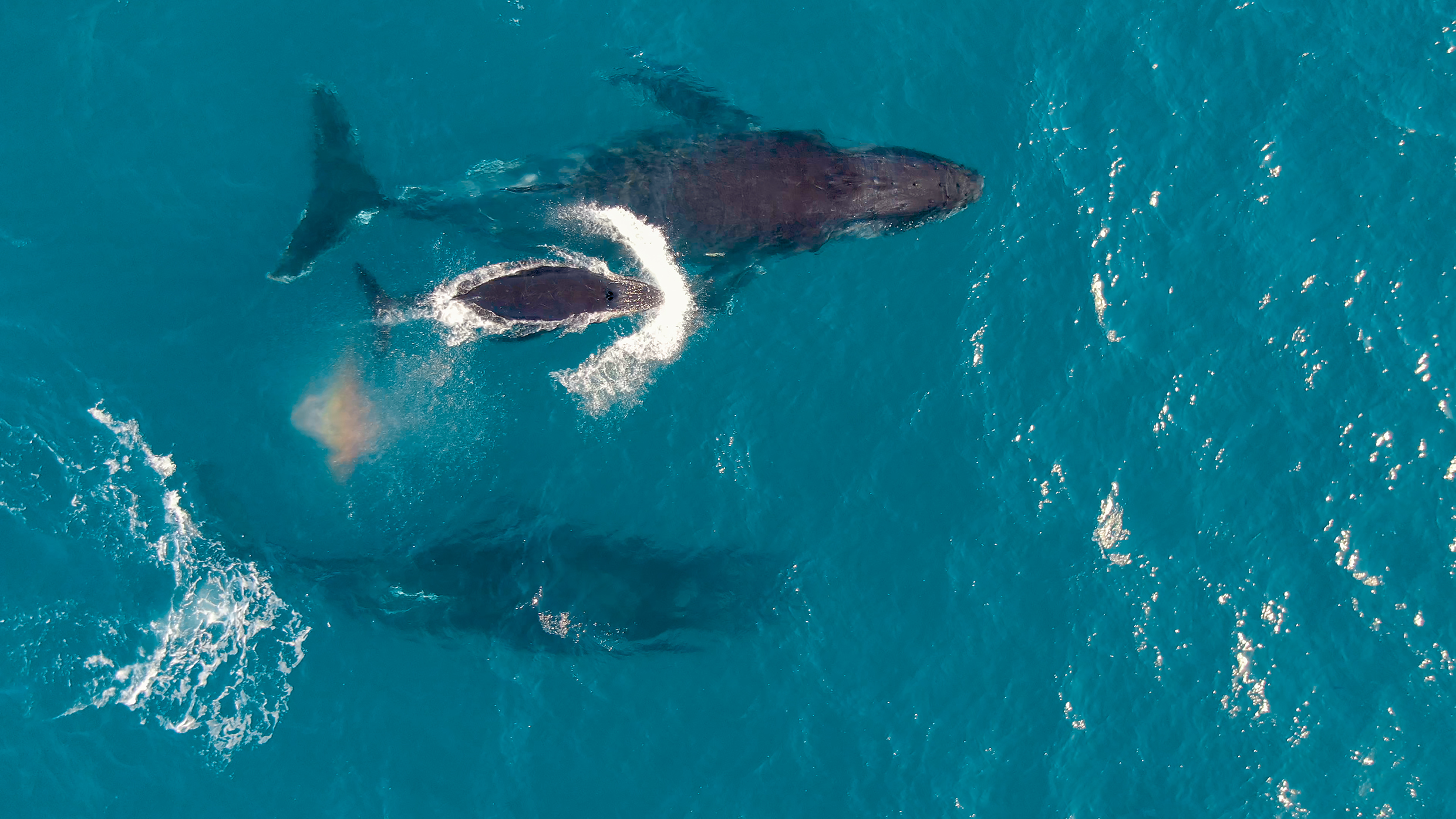
Open ocean safaris focus mainly on the Southern Humpback Whales which arrive here from late winter to spring (July to October) to give birth in the warm waters of the Archipelago. The warmer water temperature is of prime importance as calves are born without a blubber layer, and after birth they grow at an astonishing rate of up to 80kg per day, fattening up before heading back to the frigid Antarctic waters. Sub-adult calves follow their adult mothers here, and with mating taking place in these waters this leads to a hotspot for the species with hundreds if not thousands visiting the Archipelago’s waters every year. Though an extreme rarity, increased sightings of Orcas in tropical waters are being experienced in the area as these have learnt to follow the whales to their calving grounds to prey on young humpback calves.

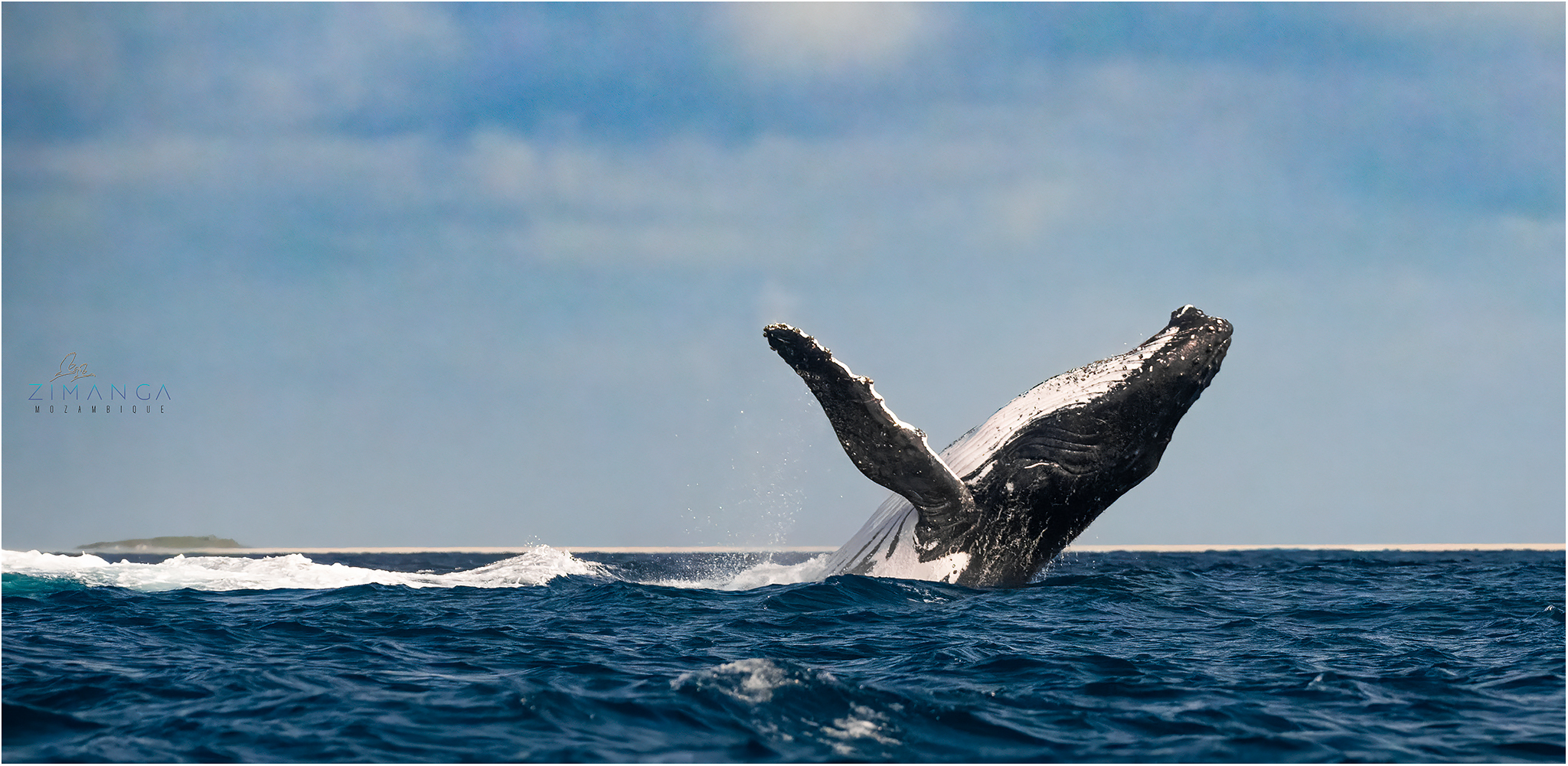
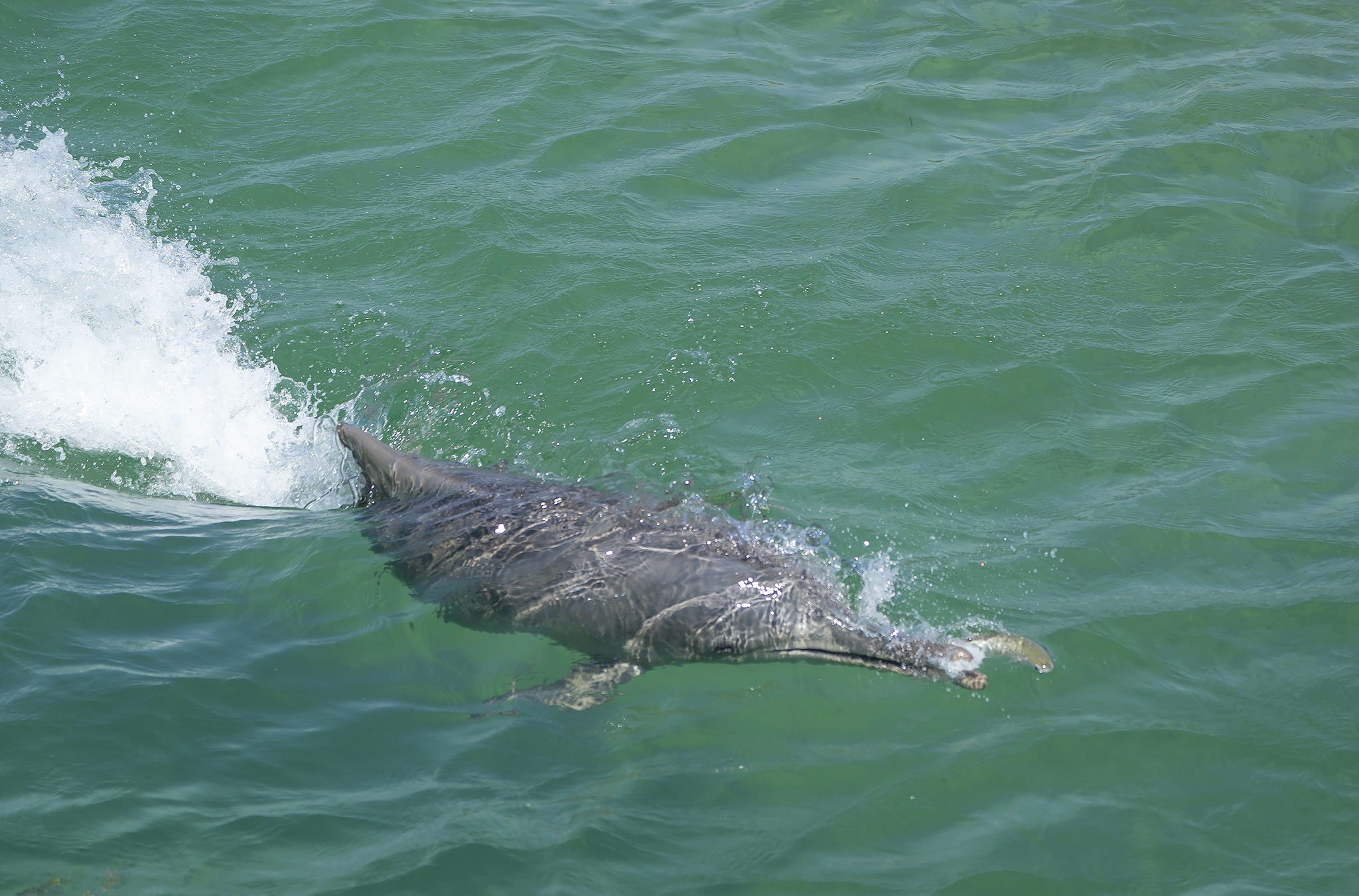
Southern Humpbacks are one of the largest species of whale and likely the most energetic as they often enter into spectacular aerial displays as the breach clear of the water. Fortunately for photographers breaches are often in succession allowing more than one chance to capture them in the air. Fin slapping and tail slapping occurs frequently and should they be in a relaxed mood or not in a hurry somewhere, the whales can approach to within a few meters of boats. Other species to be seen on ocean safaris include whale sharks, mantas, other sharks, dolphins, turtles and of course several species of birds. During spring and autumn the area is often inundated with small oceanic anchovies which can be herded into baitballs by sharks, sailfish or tuna, and pushed up against the surface allowing birds to join on the feast. Our boat is fitted with radar sensitive enough to pick up on bird congregations like these and witnessing baitball action with oceanic predators pushing small fish to the surface whilst being bombarded from above by birds is surely one of the most incredible phenomena to experience out at sea.
Your open ocean safari will take you past many sandbanks nestled between blue waters, through high concentrations of flamingoes and terns, and photographic opportunities abound with traditional colourful dhows dotting the landscape. Drone photography is not allowed inside the National Park although the Private Protected Marine reserve allows responsible use thereof, and following active whales from the air makes for amazing footage.
Activity differs across the season, with whales being present from July to October and you best bet on finding baitballs is during autumn and spring when yellowfin tuna abound. Ocean safaris are of course dependent on tides and weather conditions, with the calmest oceans usually experienced in April and May. Dolphins, turtles and birdlife are always around
Ocean Safaris
Gallery