Bee Eater Hide

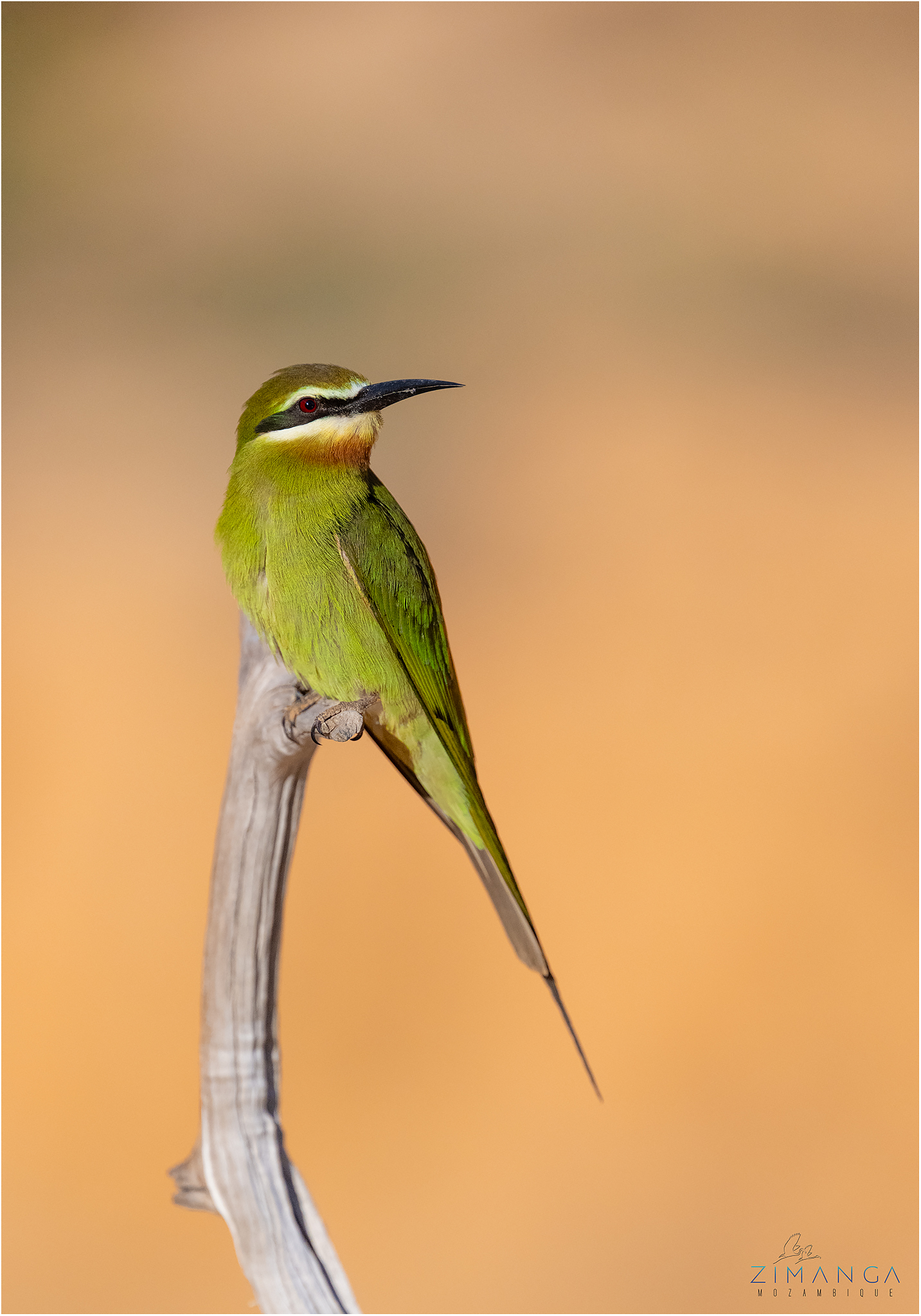
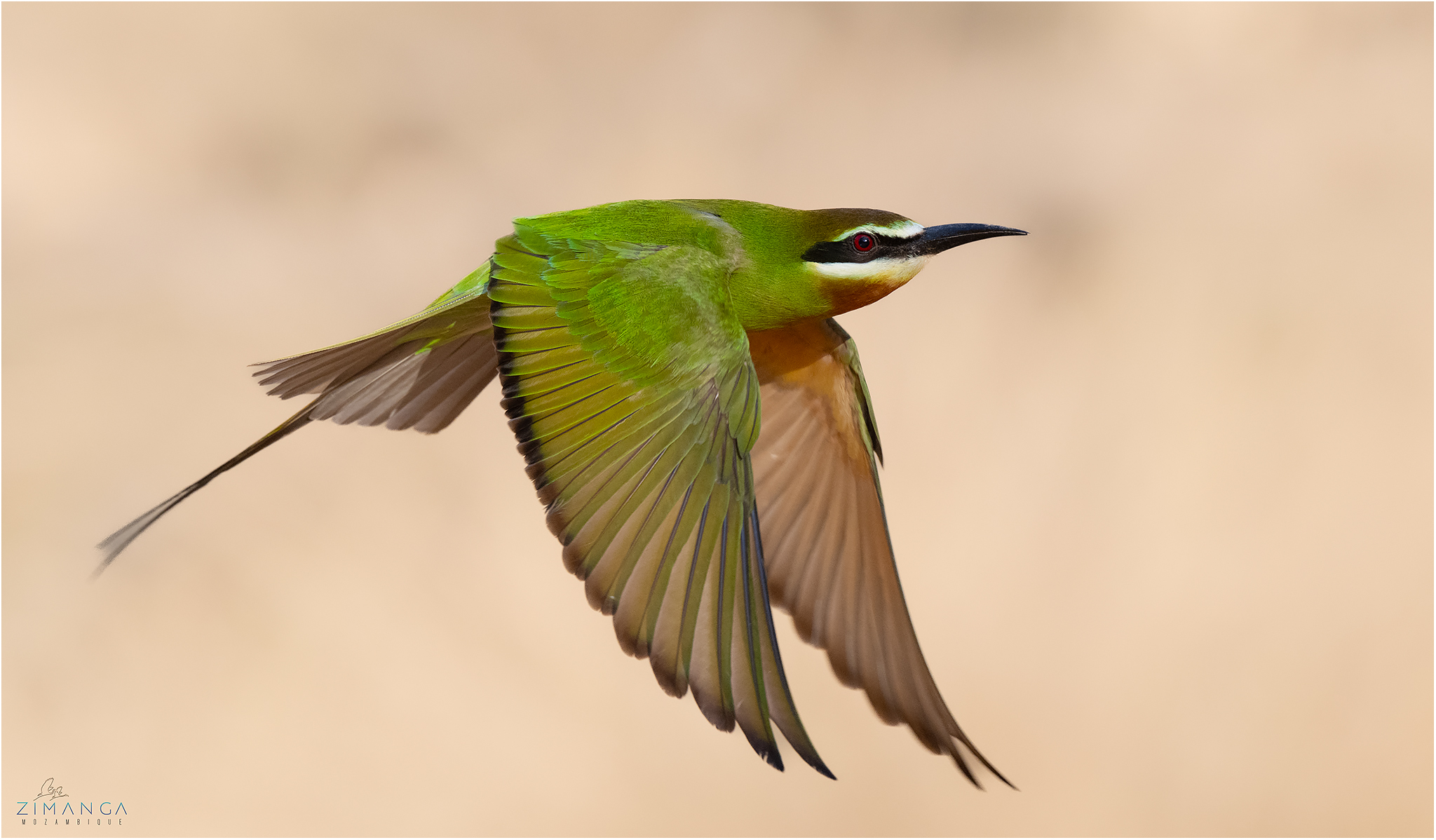
When visiting from August to October one constant sound that accompanies you in the Archipelago is the chirps of Olive Bee Eaters which arrive in their thousands for their annual breeding cycle amongst the sandy dunes.
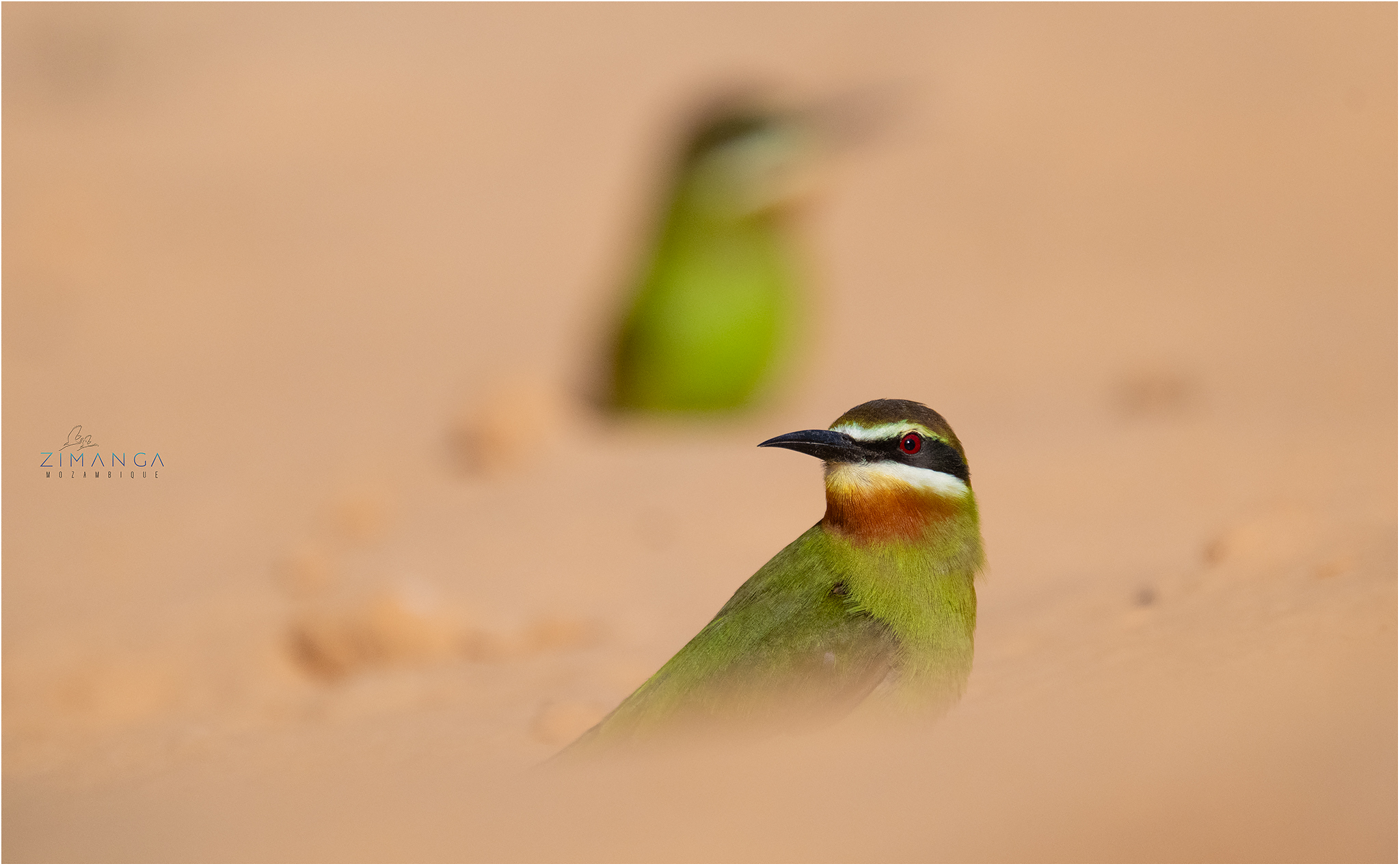
These intra-African birds migrate between Mozambique and the north, though their movements are not well known. This colony is said to be the second largest breeding colony in Africa and the site can become so congested with birds that some even have to excavate their nests on the sandy floor due to limited space available
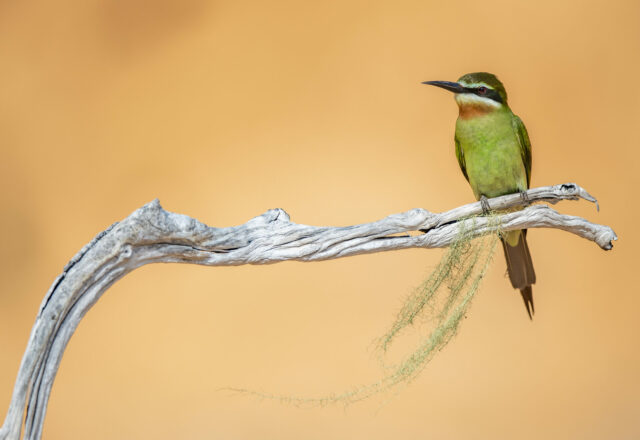
The shoreline around the Lodge is littered with weathered driftwood of all shapes and sizes which create the perfect perches for the bee-eaters to escape from the baking heat of their colony. Once placed in position it takes the birds a small while to get used to the new prime spot, but they quickly take to it and are not bothered by unintrusive human presence as they carry on with their daily routines during the busy breeding season
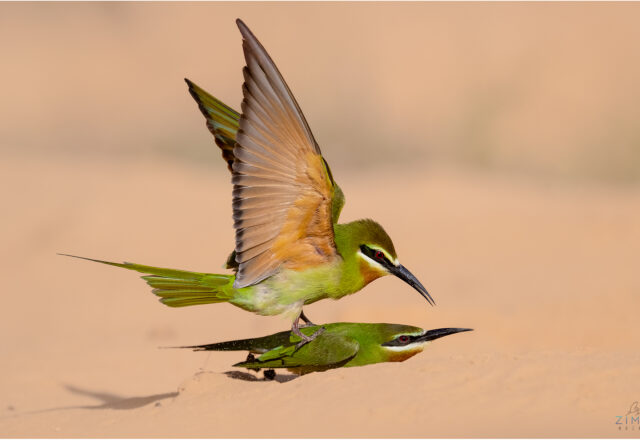
Early mornings are generally the best times to head on a bee-eater excursion as the sun baking on the sand can become unbearable later in the day. The hide provides its occupants some shelter from the elements and is positioned to take into account best light and backgrounds for some fantastic bird photography.
Raptors also visit the colony and it is not uncommon to see kites or other predatory birds swoop down and attempt to catch a meal, causing the entire colony to take off in dramatic flight accompanied by a chorus of alarm calls.
Bee Eater Hide
Gallery